
POTS Clinic
Specialist assessment and management of Postural Orthostatic Tachycardia Syndrome (POTS) and related autonomic conditions — led by Consultant Cardiologist Dr. Fahmi Farah.
Bentley Heart
Board Certified Cardiologist & Nuclear Cardiologist located in
Specialist Clinics
POTS Clinic
If you’re experiencing dizziness, palpitations, fatigue, or “brain fog” — particularly when standing or after illness — our dedicated POTS clinic provides a thorough, technology-led evaluation and a personalized treatment plan.
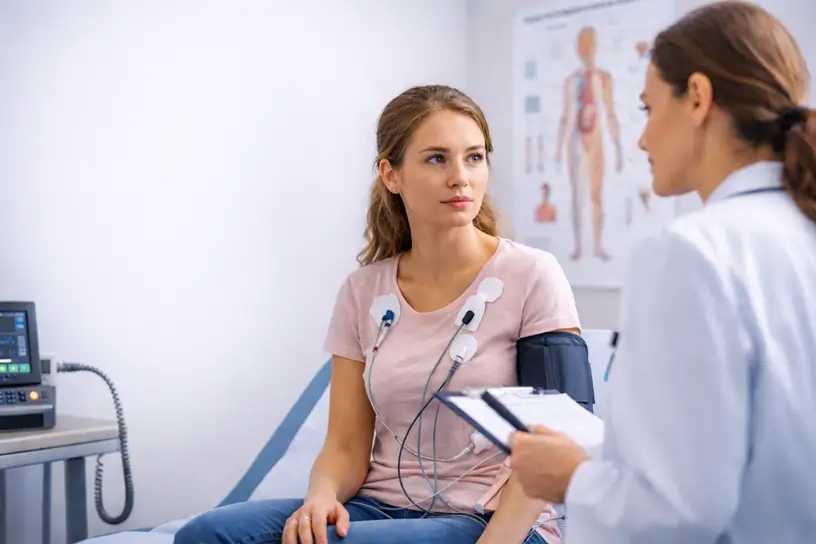
Consultant-led clinic
Senior oversight with continuity of care.
Advanced diagnostics
Modern cardiovascular and autonomic assessment tools.
Extended appointments
Time to investigate complex symptoms properly.
Self-pay, referral optional
Book directly with no insurance restrictions.
What is POTS?
Postural Orthostatic Tachycardia Syndrome (POTS) is a form of autonomic dysfunction where the body has difficulty regulating heart rate and blood pressure in response to standing. Symptoms can be persistent and disruptive, and many patients spend months or years seeking answers.
POTS can occur on its own or alongside other conditions, and symptoms may fluctuate over time. A specialist assessment helps to confirm the diagnosis, identify contributing factors, and establish a management plan that fits your day-to-day life.
Symptoms that may suggest POTS
Dizziness or light-headedness on standing
Rapid heart rate (tachycardia) or palpitations
Fatigue, weakness, or reduced stamina
“Brain fog” / difficulty concentrating
Exercise intolerance
Feeling faint or episodes of near-fainting
Chest discomfort or shortness of breath
Shakiness, nausea, temperature sensitivity
Sleep disturbance
Symptoms that worsen after illness, stress, or dehydration
These symptoms can have multiple causes — a structured cardiovascular assessment is important to rule out other conditions and confirm the diagnosis.
Bentley Heart POTS Clinic
Why Choose Bentley Heart for POTS?
This clinic is designed for patients who need specialist expertise, thorough investigation, and a personalized plan — supported by state-of-the-art diagnostic technology to help accurately confirm POTS and guide treatment.
Consultant-led expertise
Dr. Fahmi Farah has a specialist clinical interest in POTS and complex autonomic presentations. Senior oversight helps ensure a clear diagnosis and a personalized management plan.
Technology-led assessment
We are a specialty clinic with state-of-the-art technology designed to specifically diagnose POTS, using modern monitoring and structured protocols to accurately capture heart-rate and blood-pressure responses.
Whole-patient approach
POTS often affects multiple systems — we assess contributing factors and tailor management accordingly.
Clear explanations
You’ll leave with a clear understanding of your results and next steps.

What to Expect at Your Appointment
Step 1 — Pre-visit review
We review your symptoms, medical history, medication, and any prior investigations.
Step 2 — Detailed consultation
A comprehensive discussion of symptom patterns, triggers, functional impact, and goals.
Step 3 — Focused assessment & testing
A structured cardiovascular and autonomic-focused assessment may include heart rhythm evaluation and monitoring of physiological response to posture and activity (as appropriate for you).
Step 4 — Personalised plan
A written management plan may include lifestyle strategies, hydration and salt guidance (where appropriate), exercise reconditioning advice, and medication review/optimisation when clinically indicated.
Step 5 — Follow-up
Follow-up is offered to review progress, refine treatment, and support long-term improvement.
POTS Clinic
Appointments & Booking
The POTS Clinic is available on a self-pay basis. A GP referral is not required, though referrals are welcome.
If you’re unsure whether a POTS assessment is right for you, our team can advise on the most appropriate appointment type.
POTS Clinic FAQs
Do I need a referral?
No — you can book directly. Referrals are welcome.
How long is the appointment?
Specialist appointments are designed to allow time for a detailed history, evaluation, and explanation of next steps.
Will I receive a plan?
Yes — you’ll receive a clear management plan and recommendations, with follow-up options as needed.
Can POTS be treated?
Many patients improve significantly with the right diagnosis, targeted lifestyle measures, and treatment tailored to the individual.